
Women & Work: Examining the Blind Spots
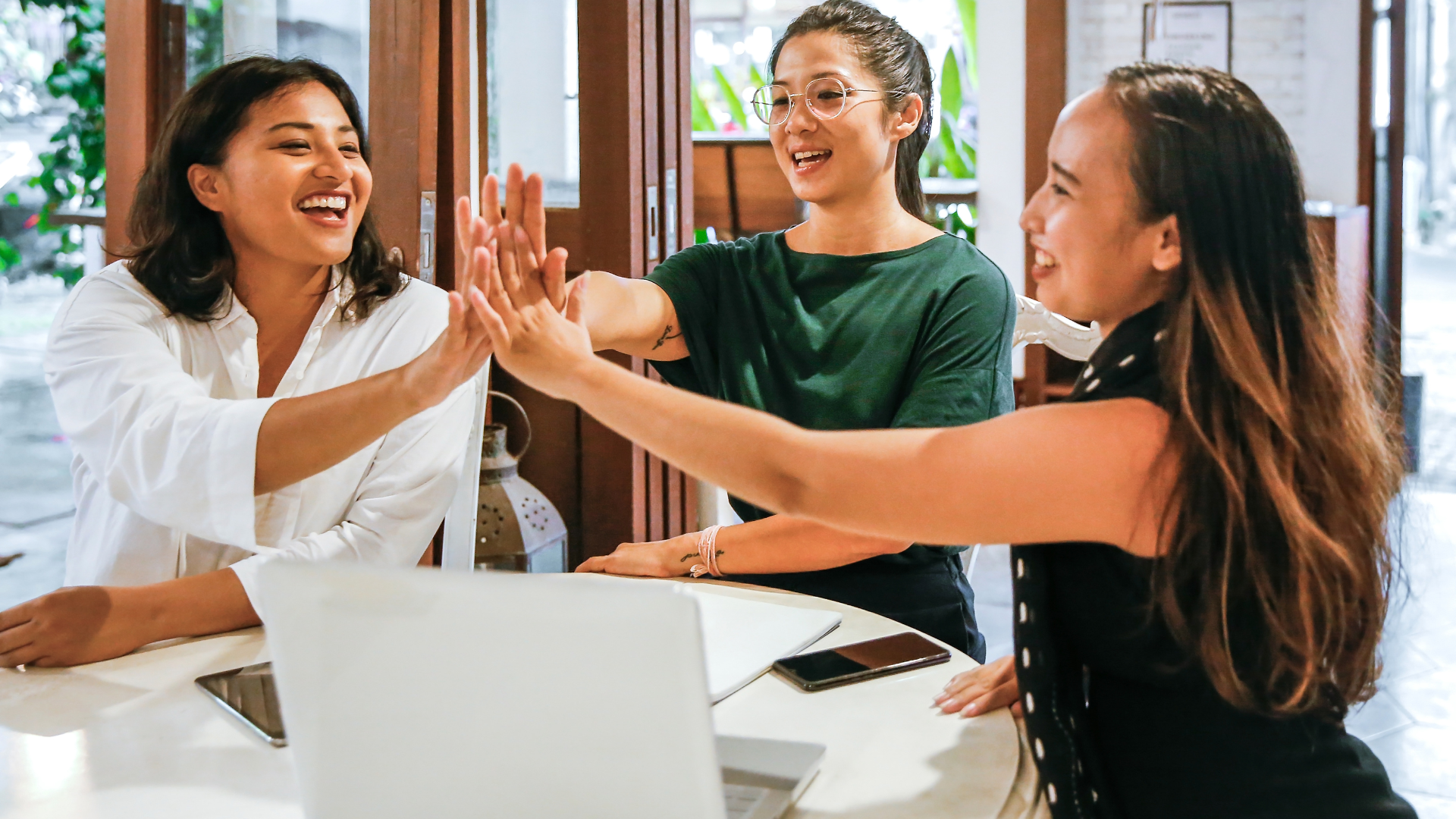
Even in spaces created to support women and promote inclusion, blind spots can remain. Women have worked for greater access to education, leadership, and the workplace. But getting through the door is only one part of the journey. Staying, advancing, and feeling that you belong can present another set of challenges. Research from LeanIn.Org and McKinsey & Company — Women in the Workplace continues to document persistent gender bias, barriers to advancement, and workplace challenges for women.
This conversation becomes especially important when we consider the experiences of Black women, whose experiences can be shaped by the intersection of race and gender. Research from LeanIn.Org — The State of Black Women in Corporate America highlights distinct barriers and forms of workplace bias experienced by Black women.
The University of Massachusetts Lowell Center for Women & Work provides an important space for conversations surrounding women and work. Heal the Racial Aggressions complements that work by asking:
What happens when we look more closely at the experiences of Black women within conversations about women and the workplace?
Microaggressions may appear small—an assumption, comment, interruption, questioning of competence, or suggestion that someone does not belong. However, research shows that repeated microaggressions can have a significant impact on women's workplace experiences. Women who experience microaggressions are more likely to experience burnout, consider leaving their organization, and feel that their workplace is less equitable. Women in the Workplace 2024 — LeanIn.Org
For Black women, these experiences can take on additional dimensions. Research has found that Black women experience a wider range of workplace microaggressions than women overall and are more likely to have their judgment questioned, be asked to provide additional evidence of their competence, or experience comments questioning their abilities. The State of Black Women in Corporate America — LeanIn.Org
These experiences also connect to the idea of being an “Only”—being the only Black person or one of the only Black people in a room. Research has found that Black women who experience this can feel more closely watched, on guard, and under increased pressure to perform. The State of Black Women in Corporate America — LeanIn.Org
This raises an important question for institutions:
Is inclusion only about who gets through the door, or does it also include understanding what happens once they are inside?
For ACCESS, the answer lies in looking beyond access itself—examining the experiences, systems, and environments that influence whether people are able to navigate, belong, advance, and sustain the opportunities they worked to reach.
